NEW WHITELAND, IN · Available 24/7 · (463) 223-3831

24 Hour Water Damage Restoration in New Whiteland: Emergency Response

3eb92760 b9b3 476b a727 f99e9d2dc758

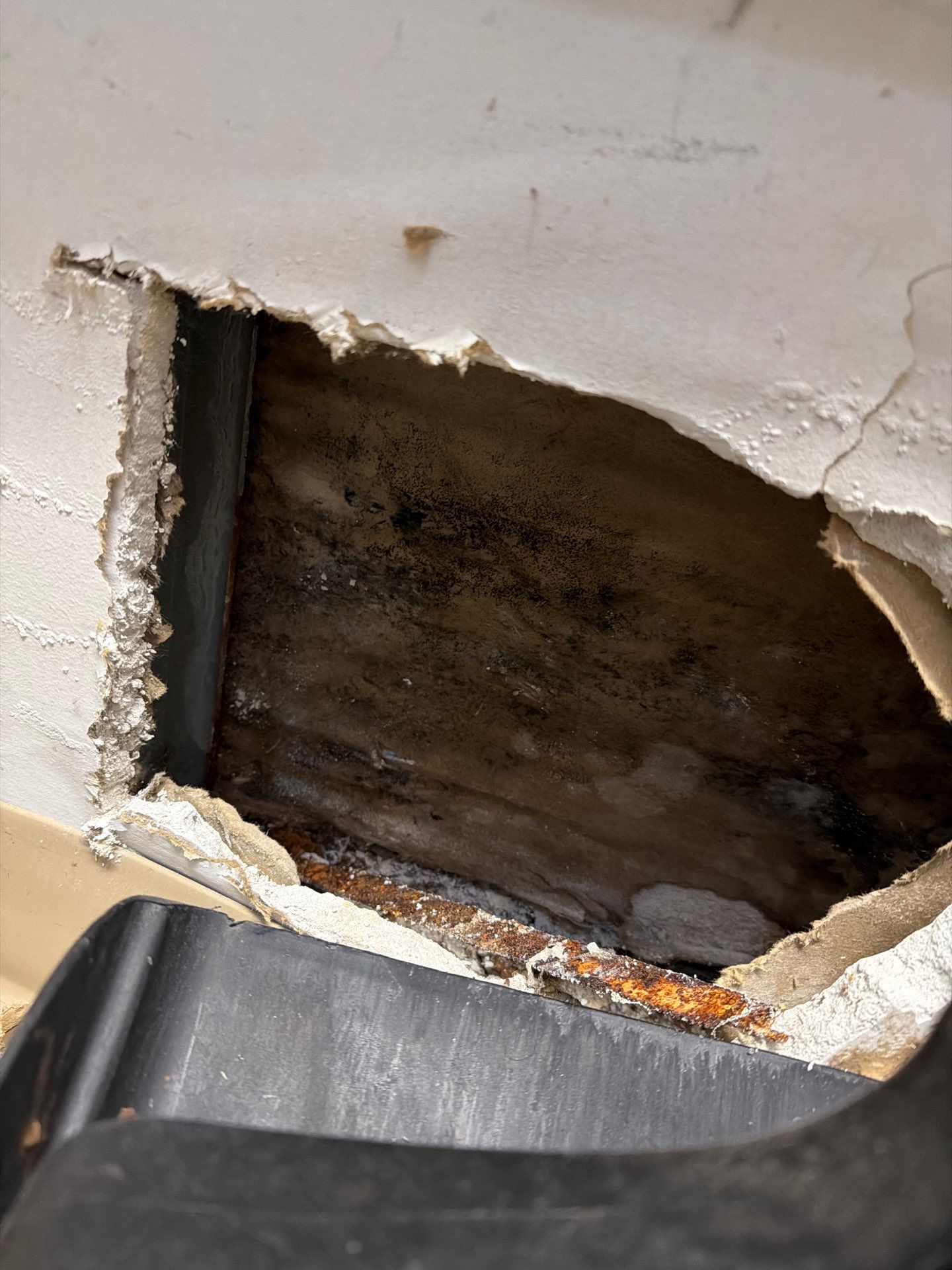
It is almost never a convenient hour when water starts where it should not be. A supply line lets go behind the washing machine at 2am, a sump pump quits during a thunderstorm, a water heater splits open while you are at work in New Whiteland and you come home to a soaked first floor. The clock matters more than most homeowners realize. Drywall, subfloor, baseboards, and cabinet kicks start absorbing within minutes, and by hour 24 the damage shifts from clean water restoration into Category 2 territory with mold risk climbing every hour after that.

New Whiteland Water Restoration runs a true 24 hour emergency line for New Whiteland and the surrounding Central Indiana area, not a voicemail that loops back the next morning. When you call, a real person picks up, gathers the basics about your loss, and dispatches a technician with truck-mounted extraction equipment, air movers, and dehumidifiers already loaded. We have been doing this since 2018, we are IICRC certified, we carry a BBB A+ rating, and if we look at your situation and decide you do not need us, we will tell you that directly. No upsell, no scare tactics, no padded scope. Just an honest read on what your property needs right now.

Step 1: Stop the Water Source (0 to 5 Minutes)

  1. Locate your main shutoff. In most New Whiteland homes it is in the basement, crawl space, or near the water heater.
  2. Turn the valve clockwise until it stops. Open a low faucet to relieve pressure.
  3. If the leak is from an appliance, close the local supply valve behind it.
  4. For sewage backups, do not flush, run sinks, or use the dishwasher. Move to sewage cleanup protocols immediately.
  5. For supply line failures behind washing machines, dishwashers, or refrigerators, pull the unit forward only if the floor is stable and the cord is unplugged.
  6. If you cannot find the main shutoff within 3 minutes, call your water utility's emergency line. New Whiteland utility crews can shut service at the curb stop.

Step 2: Kill Power to Affected Areas (5 to 10 Minutes)

  1. If water has reached outlets, baseboards, or ceiling fixtures, shut off the breaker for that zone.
  2. Do not stand in standing water while operating the panel. Use a dry rubber-soled shoe and a dry hand.
  3. If the panel itself is wet, leave the property and wait for the crew.
  4. Unplug electronics within 10 feet of the affected zone if you can reach them safely from a dry surface.
  5. Gas appliances in flooded areas should also be shut off at the local valve. Do not relight pilots until the unit is inspected.

Step 6: Water Extraction (Hours 1 to 3)

  1. Truck-mounted or portable extractors pull standing water at 100 to 200 gallons per hour.
  2. Weighted extraction wands are used on carpet and pad. Pad is removed if saturation exceeds 50 percent.
  3. For volumes over 2 inches across multiple rooms, we deploy additional pumps. Larger losses may need our commercial water restoration equipment fleet.
  4. All extracted water is logged in gallons for the claim file.
  5. Containment barriers of 6-mil poly are installed at room thresholds to prevent cross-contamination into dry zones.

Step 5: On-Site Inspection and Moisture Mapping (First 30 Minutes On Site)

  1. Technician arrives in a marked vehicle with photo ID and IICRC credentials.
  2. We perform a Category and Class determination per IICRC S500. Class 1 is minimal absorption; Class 4 involves deeply saturated materials like hardwood and plaster.
  3. Moisture readings are taken with a pinless meter on drywall, subfloor, and framing. Dry standards are typically 12 to 16 percent for wood and under 1 percent on the relative scale for drywall.
  4. Thermal imaging maps hidden moisture behind walls and under cabinets.
  5. We mark affected square footage and produce a written scope, which feeds directly into your restoration cost breakdown.
  6. Control readings are also taken in unaffected rooms to establish the baseline dry standard for your specific structure.

Step 3: Call New Whiteland Water Restoration (Within 15 Minutes of Discovery)

  1. Dial the 24/7 line. Expect a live dispatcher, not a voicemail tree.
  2. Provide: address, water source, approximate square footage affected, and whether the water is clean (Category 1), gray (Category 2), or black (Category 3).
  3. Receive an ETA. Standard New Whiteland response window is 45 to 90 minutes depending on time of day and weather.
  4. Confirm your insurance carrier so we can begin claim coordination on arrival.
  5. Have your policy number ready if possible. The dispatcher can pre-fill the loss notice while the crew is en route.
  6. Ask for the lead technician's name and arrival time so you know who to expect at the door.

Step 9: Daily Monitoring (Days 1 to 4)

  1. A technician returns every 24 hours to record moisture readings, temperature, humidity, and equipment runtime.
  2. Equipment is repositioned based on which materials are lagging.
  3. Most jobs reach dry standard within 3 to 5 days. Plaster, concrete, and Class 4 losses may take 5 to 7.
  4. You receive daily updates by text or email, with photos attached to the claim file.
  5. Specific gravity of dehumidifier output is checked. A drop below 0.5 pints per hour signals the chamber is approaching equilibrium.

Step 10: Clearance, Documentation, and Repair Handoff

  1. Final moisture readings are taken and matched against unaffected control points in your home.
  2. A clearance report is generated with before, during, and after photos.
  3. If mold growth is suspected, we coordinate testing before reconstruction begins.
  4. Reconstruction scope is delivered with line-item pricing. You decide whether to proceed with New Whiteland Water Restoration or another contractor.
  5. All equipment is decontaminated on-site before removal to prevent transferring contaminants between job sites.
  6. A copy of the full job file, including drying logs and psychrometric readings, is sent to your adjuster within 48 hours of completion.

Step 7: Controlled Demolition (Hours 2 to 6)

  1. Baseboards are removed and labeled for reinstall when salvageable.
  2. Drywall is flood-cut 12 to 24 inches above the waterline if saturation exceeds the dry standard after 24 hours.
  3. Wet insulation is bagged and discarded. Fiberglass loses R-value once wet and rarely dries in time.
  4. Cabinet toe-kicks are drilled with 1 inch holes to allow airflow into wall cavities.
  5. Tack strip and underlayment under removed carpet are pulled and replaced. Reusing wet tack strip causes recurring odor issues.
  6. Debris is hauled in lined containers and weighed for the disposal line item on the final invoice.

Step 4: Document Before Mitigation (While You Wait)

  1. Take 15 to 25 photos: wide shots of each room, close-ups of damaged materials, and the source of the leak.
  2. Record a 30 to 60 second video walking through the affected area.
  3. Move undamaged personal items at least 6 feet from the wet zone if it is safe to do so.
  4. Do not throw anything away. Insurance adjusters need to see damaged contents.
  5. Photograph serial numbers and model tags on damaged appliances. These speed up replacement valuations.
  6. Note the time water was discovered and the time the source was stopped. Both figures matter for the claim narrative.

Step 8: Drying Equipment Placement (Hour 4 to 8)

  1. Air movers are placed every 10 to 16 linear feet of wall, angled at 15 to 45 degrees.
  2. Low-grain refrigerant (LGR) dehumidifiers are sized at one unit per 1,000 to 1,500 square feet of affected area.
  3. Target ambient conditions: 70 to 90 degrees Fahrenheit, 30 to 50 percent relative humidity.
  4. For hardwood floors, drying mats are connected to negative-pressure systems pulling moisture upward through the boards.
  5. HEPA air scrubbers are added at 4 to 6 air changes per hour when Category 2 or 3 water is involved.
  6. Power draw is calculated against available circuits. We deploy generators if the structure cannot support 40 to 60 amps of continuous equipment load.

One Call, Any Hour, Real People

Water damage does not schedule itself around business hours, and neither do we. If you are in New Whiteland or anywhere in Central Indiana and water is where it should not be, call New Whiteland Water Restoration now. We will be honest about what you need, fast about getting there, and thorough about getting your property dry and documented the right way the first time.

Frequently Asked Questions

How fast can New Whiteland Water Restoration actually arrive in New Whiteland after I call?

Most New Whiteland addresses see a technician on site within 45 to 90 minutes of the initial call, day or night. Weather, traffic, and concurrent emergencies can extend that window, and we tell you a realistic ETA when you call rather than a marketing number.

Will my insurance cover a 24 hour emergency call?

Yes, in almost every case. Standard homeowners policies in New Whiteland cover sudden and accidental water damage including the emergency mitigation work. New Whiteland Water Restoration documents everything from arrival time to moisture readings so your adjuster has what they need to approve the claim quickly.

What if I am not sure the damage is bad enough to call at night?

Call anyway. We will walk through what you are seeing on the phone at no cost. If the situation can safely wait until morning, we will tell you that directly. If it cannot, we dispatch. We would rather give you a free phone consultation than have you call us in three days with mold.

Do you handle sewage backups on the same emergency line?

Yes. Sewage losses are treated as Category 3 from the first minute and require different protective equipment and disposal protocols. The same New Whiteland Water Restoration number connects you to a technician trained for those conditions, with arrival times comparable to clean water calls in New Whiteland.

What does the first hour of work on site usually cost?

Initial emergency response in New Whiteland typically runs $500 to $1,500 for assessment, extraction startup, and equipment placement, which is almost always billed to your insurance claim. We provide a written scope before major work begins so there are no surprises on the final invoice.